
_-_002.jpg)

The Vilna Shul
Boston's Center for Jewish Culture · Beacon Hill
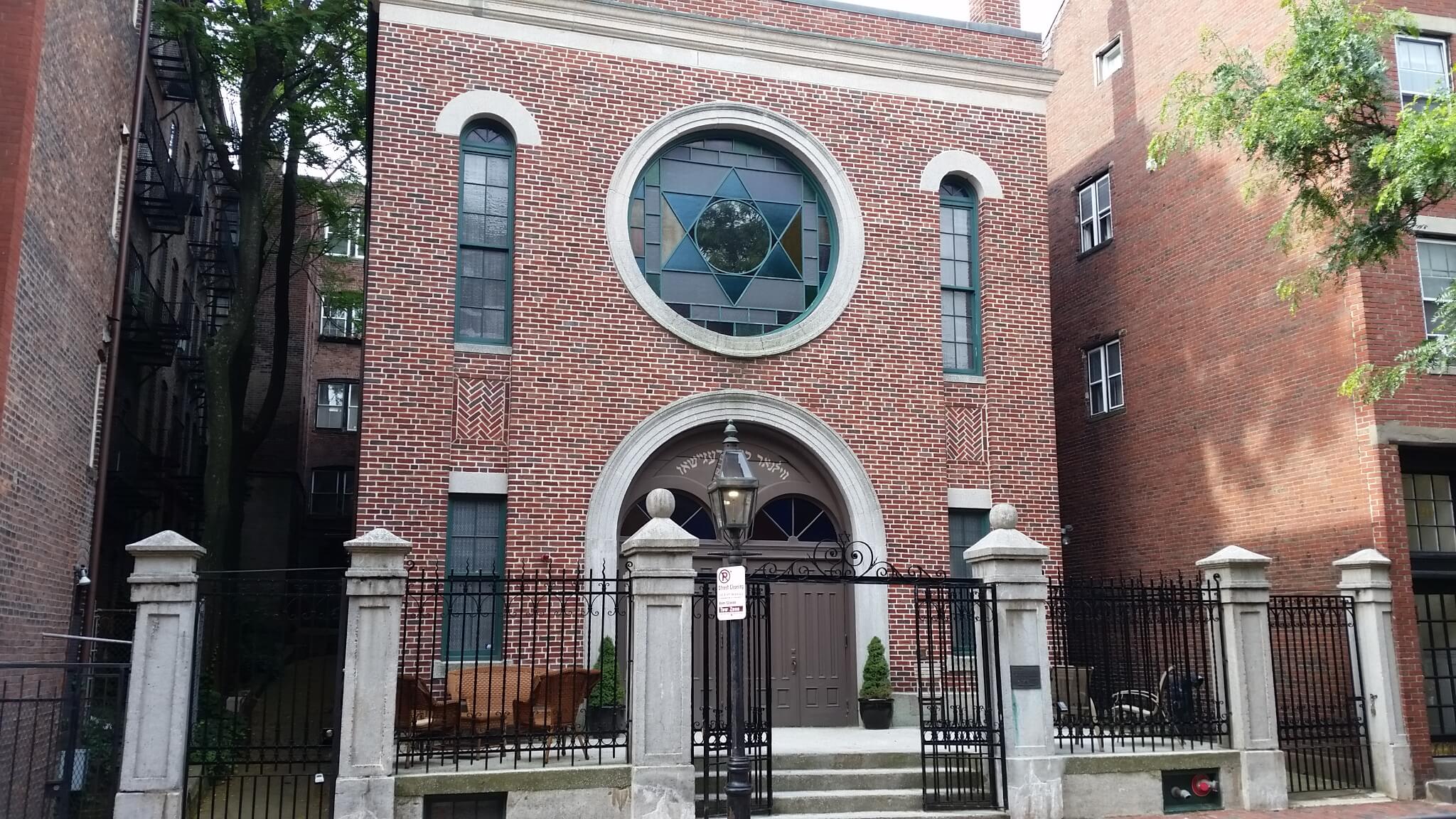
The Vilna Shul, 18 Phillips Street, Beacon Hill, Boston · Photo: West End Museum
About the Vilna Shul
The Vilna Shul — formally known as The Vilna Shul, Boston's Center for Jewish Culture — is the last remaining immigrant-era synagogue in Boston. Located at 18 Phillips Street on the north slope of Beacon Hill, it stands as a living testament to the Jewish immigrant experience in New England and to the enduring power of community preservation.
The building is a contributing structure in the Beacon Hill National Landmark District and is registered as a museum through the Council of American Jewish Museums. Today it serves as a vibrant cultural center, welcoming both Jewish and non-Jewish visitors through music, history, conversation, literature, and film programming.
Address: 18 Phillips Street, Boston, MA 02114
Phone: (617) 523-2324
Hours: Thursday, 12:00 pm – 5:00 pm (and by appointment)
Website: vilnashul.org
History
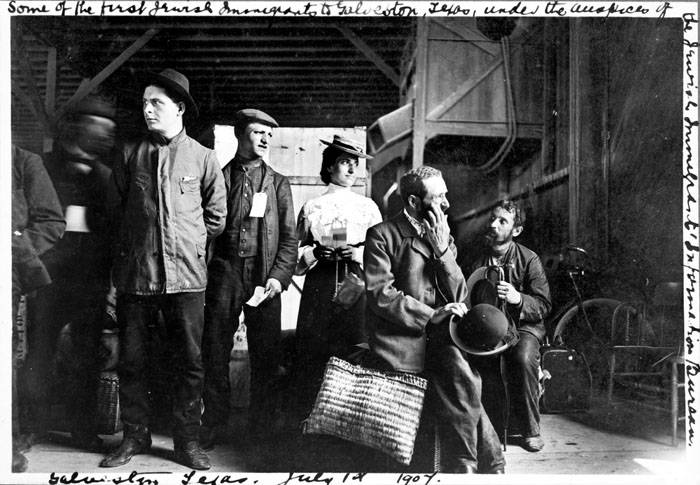
The congregation traces its origins to 1888, when Jewish immigrants from Vilnius Gubernia (present-day Lithuania) formed a landsmanschaft — a mutual aid society for families from the same region of Eastern Europe — on the north slope of Beacon Hill, then part of Boston's West End. In those early years, members gathered to pray in one another's apartments.
As the congregation grew, they purchased the former 12th Baptist Church at 45 Phillips Street in 1906. A decade later, in 1916, the city acquired that building through eminent domain for school expansion, awarding the congregation $20,000. With those funds and community donations, the cornerstone of the present synagogue at 18 Phillips Street was laid in 1919.
Through the 1920s and 1930s the community thrived, hosting Shabbat celebrations and religious observances. But as Boston's Jewish population dispersed to the suburbs in the mid-20th century, the congregation dwindled. The last service was held in 1985 by Mendel Miller, the final remaining member after 65 years at the location.
The building sat in disrepair for over a decade until Boston community leaders undertook a decade-long restoration effort. In 1996, the non-profit Vilna Shul, Boston's Center for Jewish Heritage was formally established, and the building was rescued from its condemned state. Renovations included a new roof, rebuilt windows, a sprinkler system, furnace replacement, and full property cleanup.
Architecture & Folk Art Murals
From the outside, the building resembles a modest New England church — red brick, understated, tucked into the hill. But inside, the sanctuary reveals its Jewish identity through extraordinary murals covering the walls. These are extremely rare examples of 20th-century immigrant folk art, painted by unknown artists from the congregation.
The first mural was uncovered and restored in 1998. The multi-layer murals — some painted over others across decades — are considered among the most significant surviving examples of American Jewish immigrant decorative art.
The original wooden pews, bimah, and ark have been preserved, giving visitors a rare window into what an early 20th-century immigrant congregation's synagogue actually looked and felt like.
Programs & Mission
The Vilna Shul today collaborates with the Jewish Arts Collaborative to celebrate immigrant heritage through arts and cultural programming. Its mission is to engage both Jewish and non-Jewish community members through:
- Music performances and concerts
- Jewish history lectures and conversations
- Film screenings
- Literary events
- Educational tours covering Jewish immigration to Boston and the history of the West End
Guided tours bring to life the story of the West End's immigrant Jewish community and the remarkable preservation of this sacred space.
Why It Matters
The Vilna Shul is the last immigrant-era synagogue standing in Boston. It is a rare, physical link to the world of Eastern European Jewish immigration — to the landsmanshaftn, the tenement prayers, the peddler streets, and the slow, hard process of making a home in America.
For GAJHS, the Vilna Shul resonates deeply with Austin's own Jewish history — a community also built by immigrants, also documented imperfectly, also fighting to be remembered. Our July 2026 visit was a reminder that preservation is not just about buildings. It is about keeping alive the stories of the people who built them.
Learn More
- vilnashul.org ↗ — Official Vilna Shul website
- West End Museum ↗ — The Vilna Shul: The Last Immigrant-Era Synagogue in Boston
- The Forward ↗ — This Boston synagogue looks like a New England church but murals reveal its Jewish identity